Cart
0
£0.00

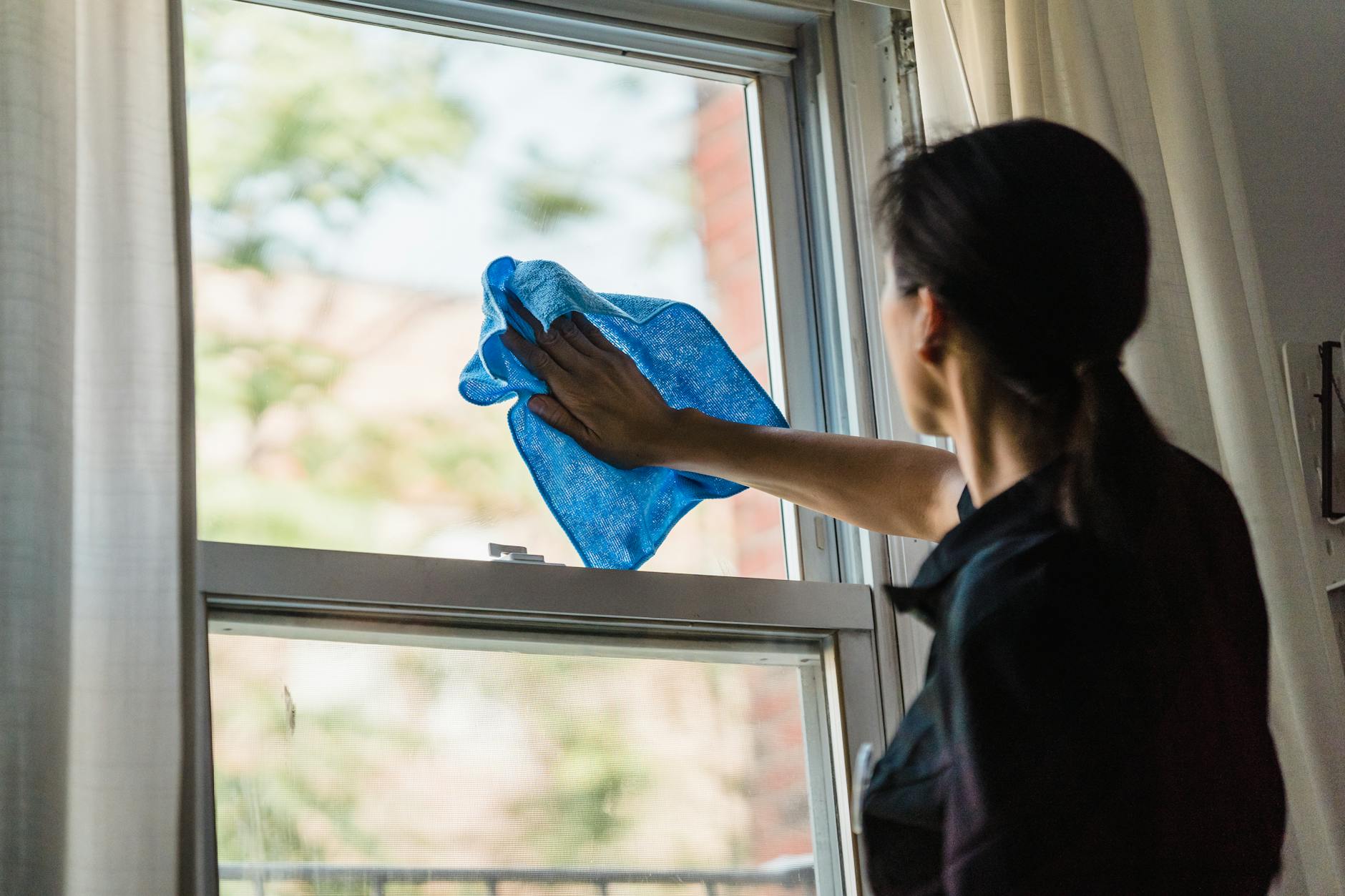
No article on traditional window cleaning tools would be complete without addressing microfibre cloths — the product that has dominated the consumer cleaning market for the last two decades and that generates more confused, contradictory advice online than almost anything else in this field.
Here's my honest assessment. Good quality microfibre cloths, used correctly, are genuinely useful for window cleaning. Poor quality microfibre cloths, on the other hand, can be frustrating, streak-prone, and wildly overrated.
High‑quality microfibre excels at specific jobs: detailing edges after squeegeeing, removing light haze, and polishing small panes or mirrors. It works best when it is clean, lightly damp, and reserved for glass only.
Cheap or worn cloths tend to smear dirt rather than lift it, shed lint, and quickly lose their bite. They are often marketed as miracle tools that replace proper scrubbing, squeegees, and good technique — and that is where the hype outpaces reality.
Think of microfibre as a specialist, not a superhero. Invest in a few premium cloths, wash them without fabric softener, and keep them away from greasy surfaces. Use them to refine your results, not to do all the heavy lifting.
When treated this way, microfibre can be a reliable ally in your window cleaning kit; when relied on for everything, it usually ends up disappointing and reinforcing the myth that the tool itself matters more than the method behind it.
This is a short article from the Ebook The Window Cleaning Guide, if you are interested in more detailed information on Window Cleaning Click Here.
These pages do include affiliate links on which we do earn a small commission.